How Grawlr Can Help Startups In The Space Sector
Build Cyber Confidence?
Space startups are not ordinary startups. A young company building satellite software, ground-station tools, Earth observation services, mission planning platforms or downstream data products may look like a software company from the outside, but its risk profile is very different. Its customers may include governments, defence companies, infrastructure operators, logistics providers, research institutions or even large industrial partners. That means trust is not a “nice to have”. It is part of the product.
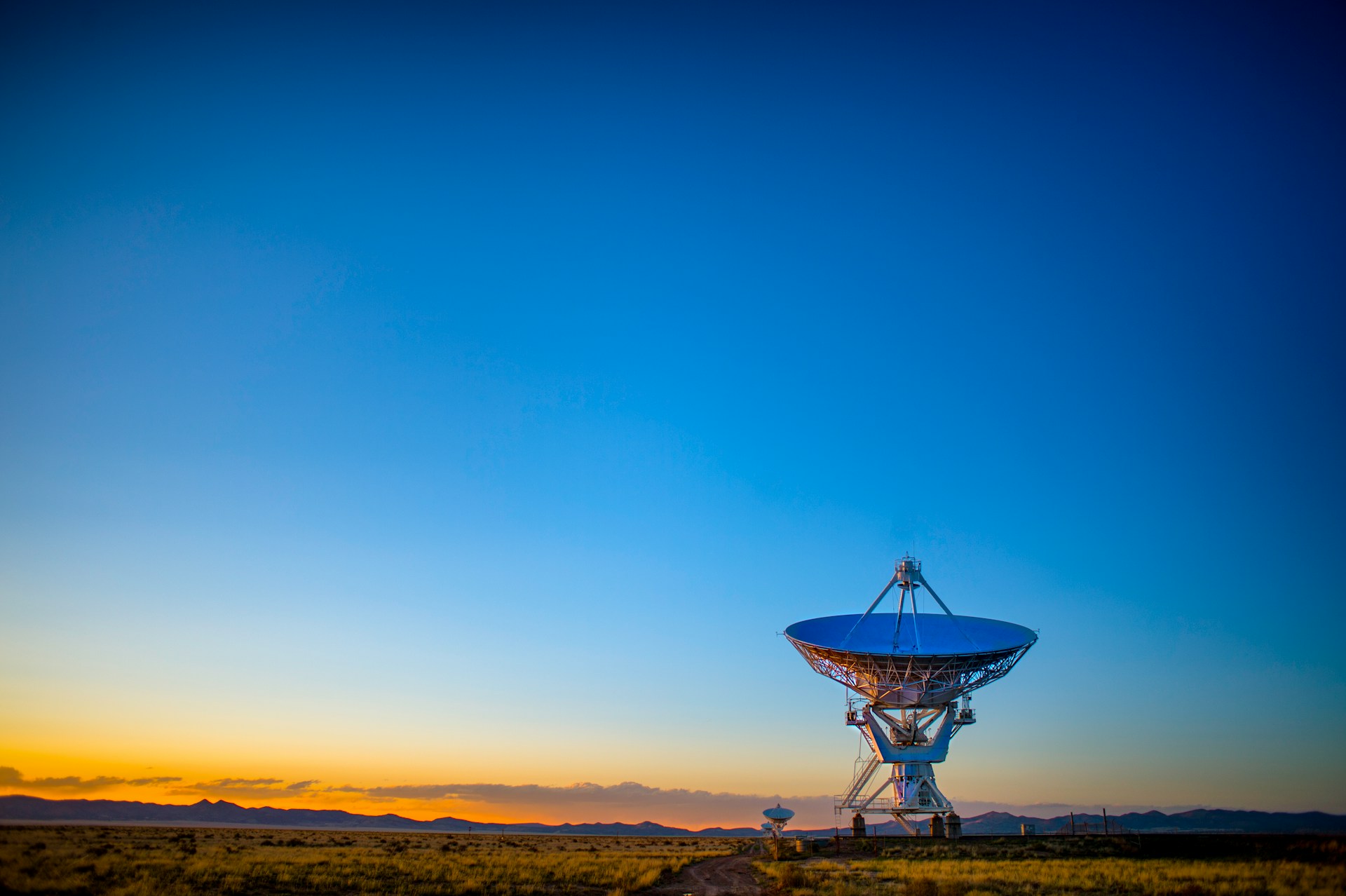
The European Space Agency has made cyber resilience a clear priority, noting that satellites and space technologies are vulnerable to cyberattack and that Europe’s space sector needs stronger protection as space services become more integrated with the terrestrial economy. For startups, this creates both pressure and opportunity. The pressure is obvious: they must prove they take security seriously. The opportunity is that strong cybersecurity can become a commercial advantage.
Startups Move Fast. Attackers Move Faster
Most space startups are built around technical depth. They may have brilliant engineers, aerospace specialists, data scientists, and founders with strong domain expertise. But that does not always mean they have a dedicated security team. In the early stages, the same people who build the product also manage cloud infrastructure, maintain websites, configure APIs, prepare investor demos, answer customer questions and handle compliance requests.
That creates a common problem - the company’s public-facing digital presence grows faster than its security process.
A startup may launch a marketing website, documentation portal, investor page, customer dashboard, staging environment or demo application. Each of these will automatically become a target. Automated attackers do not care whether the company is young, underfunded or still in an accelerator. They scan the internet continuously, looking for exposed software, misconfigured services, outdated frameworks, weak authentication, leaked credentials and vulnerable plugins.
This is where Grawlr can help. Grawlr is designed to give companies visibility into how their web-facing systems may look from an attacker’s perspective. Instead of assuming that “small” means “not interesting”, Grawlr helps startups understand what automated attackers may discover, test, and exploit.
Why This Matters More In Space?
The space sector has a unique trust chain. A small supplier may provide a software component, data interface, visualisation dashboard, telemetry tool, customer portal or analytics layer that connects to much larger systems. Even when the startup is not operating a satellite directly, it may still handle sensitive information, customer data, operational workflows, geospatial intelligence or access credentials.
ENISA’s space threat landscape report highlights supply-chain risk as a concern for the sector, especially because space systems depend on complex global supply chains and interconnected digital systems. That means a startup’s security posture can affect more than its own website. It can affect partner confidence, procurement decisions and the ability to work with larger organizations.
For example, imagine a startup offering a cloud-based dashboard for satellite imagery tasking. The company’s core value may be its algorithms, user experience or access to specialized data. But from a customer’s perspective, the questions are broader:
- Can this platform be trusted?
- Could an attacker access customer accounts?
- Are exposed endpoints being monitored?
- Would the startup notice if something changed?
- Can the company explain its security posture in a way that a non-technical buyer understands?
Grawlr helps answer those questions with practical scanning, constant verification, reporting and security visibility.
Helping Non-Security Teams Understand Risk
One of the biggest challenges for startups is not only finding vulnerabilities. It is communicating them clearly.
A founder may understand that security matters, but not have the time to interpret raw scan results, long technical reports or complex vulnerability databases. A commercial lead may need to reassure a potential customer but lack the language to explain what has been checked. A developer may need prioritised information, not vague warnings.
Grawlr’s value proposal is in making security more understandable. The dashboard is designed to help non-experts see what matters while still giving technical teams useful information. For a space startup, that can be especially important during customer due diligence, investor conversations, grant applications, accelerator reviews and partner onboarding.
This aligns with a broader cybersecurity direction. NIST describes its Cybersecurity Framework as voluntary guidance that helps organizations of different sizes and maturity levels understand, assess, prioritise and communicate cybersecurity risk. For startups, “communicate” is just as important as “assess”. A security finding that cannot be explained clearly is difficult to act on.
A Practical Example: A Space Data Startup
Consider a startup that provides processed satellite imagery to agriculture, insurance and logistics customers. The team has eight people. There is no full-time security officer. Their public website includes a login page, documentation, pricing information, contact forms and an early customer dashboard.
For such a company, Grawlr could be beneficial in several ways.
First, it can provide regular visibility into the company’s public-facing web presence. This helps the team spot issues before customers, attackers or procurement reviewers do.
Second, it can support more structured security conversations. Instead of saying “we care about security”, the startup can show that it monitors its web-facing attack surface and takes findings seriously.
Third, Grawlr can help reduce the burden on developers. Rather than asking engineers to manually check everything while also building product features, the company can use Grawlr as a repeatable layer of external security awareness.
Fourth, reporting can help the startup look more mature. This matters in the space sector, where customers may be cautious, procurement cycles can be long and trust often decides whether a pilot project moves forward.
Why Start Early?
The best time for a space startup to build security habits is before it becomes a critical supplier. Once a company has major customers, production integrations, investor visibility and international partners, fixing basic security gaps becomes harder and more expensive.
Grawlr helps startups start earlier. It gives them a way to monitor, understand, and communicate web-facing security without needing a large internal security department from day one. Grawlr does not replace secure engineering, penetration testing, compliance work or specialist space-system security reviews. But it can provide an accessible and continuous layer of protection for the part of the company that attackers often see first - its public digital surface.
For space-sector startups, that matters. The product may be innovative. The technology may be complex. The mission may even reach orbit. But trust still starts with the basics - knowing what is exposed, understanding what attackers may try and being able to show customers that security is part of how the company operates.